
The European Union has launched Africa-BB-Maps, a groundbreaking $16 million broadband infrastructure mapping project spanning 11 African countries as part of its €300 billion Global Gateway strategy. The four-year initiative, running from 2025 to 2028, represents one of the most concrete steps in implementing the EU’s ambitious digital partnership with Africa.
Comprehensive Multi-Country Approach
The International Telecommunication Union (ITU) will execute the project across strategically selected nations representing diverse African regions and development stages:
West Africa: Benin, Côte d’Ivoire, Nigeria
East Africa: Burundi, Ethiopia, Kenya, Uganda
Southern Africa: Botswana, Malawi, Zambia, Zimbabwe
This geographic spread ensures comprehensive coverage of Africa’s varied connectivity challenges, from coastal commercial hubs to landlocked rural regions.
Addressing Critical Data Gaps
Africa-BB-Maps aims to equip national telecommunications regulators with harmonized broadband mapping systems capable of generating precise data on infrastructure coverage and internet access gaps. This data-driven approach will enable more strategic allocation of resources and evidence-based policymaking.
The project addresses a fundamental challenge facing African governments: less than 40% of the continent’s population currently has reliable internet access, yet many countries lack the detailed mapping data needed to efficiently target infrastructure investments.
Strategic Launch and Regional Endorsement
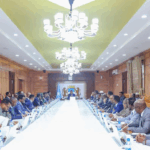
The initiative was officially launched at a regional workshop in Abidjan, Côte d’Ivoire, in March 2025, bringing together representatives from African governments, EU officials, and international development partners. The unanimous endorsement reflects broad recognition of the project’s potential to transform how countries approach digital infrastructure planning.
The workshop established consensus around the initiative’s capacity to build institutional capabilities, inform infrastructure rollouts, and create data-driven policy environments across participating nations.
Nigeria Leading by Example
Nigeria has emerged as a regional model through its broadband mapping framework developed by the Nigerian Communications Commission (NCC). The system has gained recognition for its transparency and technical sophistication, prompting stakeholders to recommend expanding this approach across West Africa.
Industry experts are calling for a regional task force to standardize mapping protocols based on Nigeria’s successful implementation, potentially accelerating adoption across participating countries.
Global Gateway’s African Focus
Africa-BB-Maps represents a flagship implementation of the EU’s Global Gateway strategy, which designates nearly half of its €300 billion budget for African development projects. This allocation makes Africa the primary focus of Europe’s alternative to China’s Belt and Road Initiative.
The project demonstrates the EU’s transition from policy announcements to operational implementation, particularly in the digital transformation sector where European expertise can provide significant value to African partners.
Beyond Connectivity: Economic Transformation
The EU positions broadband infrastructure as a catalyst for comprehensive economic development, supporting:
Innovation Ecosystems
- Enhanced support for technology startups and digital entrepreneurship
- Improved access to global markets through e-commerce platforms
- Better integration with international supply chains
Educational and Governance Advancement
- Expanded e-learning opportunities, particularly in remote areas
- Enhanced e-governance capabilities for more efficient public service delivery
- Improved digital literacy and skills development programs
Economic Resilience Building
- Diversified economic opportunities through digital services
- Enhanced connectivity for agricultural and rural enterprises
- Strengthened financial inclusion through digital payment systems
Institutional Capacity Building Focus
Unlike traditional infrastructure projects that focus primarily on physical deployment, Africa-BB-Maps emphasizes long-term institutional capacity building. The initiative aims to ensure participating countries develop not only comprehensive mapping capabilities but also the institutional expertise to utilize data effectively for ongoing policy development and resource allocation.
This approach reflects lessons learned from previous development initiatives, recognizing that sustainable impact requires strong local institutional foundations rather than solely external technical assistance.
Addressing the Digital Divide
With vast rural and remote areas across Africa remaining offline, broadband mapping provides essential intelligence for strategic infrastructure deployment. The project will identify precisely where investment can achieve maximum impact, enabling more efficient use of limited resources while ensuring equitable access to digital opportunities.
The mapping data will support both private sector investment decisions and government policy interventions, creating a more coordinated approach to closing Africa’s digital divide.
Geopolitical Significance
Africa-BB-Maps signals Europe’s deeper strategic engagement in Africa’s digital future, representing a concrete alternative to other international infrastructure initiatives. By focusing on technical capacity building and data-driven decision making, the EU differentiates its approach through emphasis on governance, transparency, and sustainable institutional development.
This operational milestone demonstrates the Global Gateway’s evolution from strategic vision to practical implementation, potentially establishing a foundation for expanded EU-Africa digital cooperation in subsequent phases of the broader partnership framework.

Other Articles