
Google has taken a significant step toward making artificial intelligence more accessible across Africa by expanding language support for its AI-powered Search features in Nigeria.
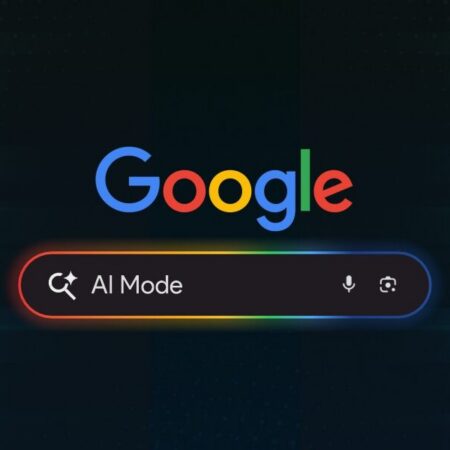
The tech giant has added Yorùbá and Hausa to its AI Overviews and AI Mode tools, allowing millions of Nigerians to interact with AI-powered search capabilities in their native languages. The update enables users to get quick information summaries and explore the web through more conversational, culturally relevant search experiences.
Google says the expansion is part of a broader commitment to making AI more inclusive across the African continent. With the addition of these two Nigerian languages, the company now supports 13 African languages across its AI Search features.
13 African Languages Now Supported
Across Africa, Google’s AI search features now work in Afrikaans, Akan, Amharic, Hausa, Kinyarwanda, Afaan Oromoo, Somali, Sesotho, Kiswahili, Setswana, Wolof, Yorùbá, and isiZulu. The company selected these languages based on strong search activity patterns observed across the continent.
For Nigerian users, the update means they can now ask questions and explore online information in their mother tongue, receiving summaries and conversational search results that feel natural and reflect their cultural context.
Beyond Simple Translation
Google emphasizes that this update goes deeper than basic translation. By integrating these languages into its customized version of Gemini Google’s advanced AI model the company aims to capture the nuances of how Nigerians actually speak and formulate questions.
“Building a truly global Search goes far beyond translation it requires a nuanced understanding of local information,” said Taiwo Kola-Ogunlade, Communications and Public Affairs Manager for West Africa at Google. “With the advanced multimodal and reasoning capabilities of our custom version of Gemini in Search, we’ve made huge strides in language understanding.”
This localized approach recognizes that effective AI isn’t just about word-for-word conversion between languages it requires understanding cultural contexts, colloquialisms, and the specific ways different communities frame their questions and seek information.
How to Access the Feature
Using AI Overviews or AI Mode in Yorùbá or Hausa is straightforward. Users can open the Google app on Android or iOS devices, or access Search through a web browser. From there, they simply tap the AI Mode option within the Search experience and type or speak their question in either Yorùbá or Hausa.
The feature allows users to ask complex questions and receive AI-generated responses while exploring related information through both text and voice input making the search experience more flexible and accessible.
Bridging the Digital Language Divide
Language barriers have long been a significant obstacle to technology adoption across Africa, where hundreds of languages are spoken but most digital services operate primarily in English, French, or Portuguese. By expanding AI capabilities to include major African languages, Google is addressing a critical gap that has limited internet accessibility for millions.
Nigeria, Africa’s most populous country with over 200 million people, is home to more than 500 languages. Yorùbá and Hausa are among the most widely spoken, with tens of millions of native speakers each. Offering AI-powered search in these languages could dramatically improve how Nigerians access and interact with online information.
As artificial intelligence becomes increasingly central to how people find information, navigate services, and make decisions online, ensuring these tools work in local languages isn’t just about convenience it’s about digital inclusion and ensuring that Africa’s diverse populations can fully participate in the AI-powered future.
Google’s expansion of language support represents an important step toward that goal, though much work remains to make AI truly accessible across Africa’s incredibly diverse linguistic landscape.